
In a world where headlines are made in seconds and news never sleeps, one moment in front of a camera can define − or derail − a brand. With attention spans shrinking and competition for airtime rising, the ability to deliver your message with clarity and confidence is critical. But effective communication under pressure doesn’t happen by chance. That’s why media training is a must.
Why Media Training Is More Important Than Ever
Media interactions today are unpredictable. A seemingly straightforward conversation can quickly shift into a pressure-filled exchange. Media training helps professionals stay focused, emphasize their key messages and respond to tough questions without being thrown off. In a media landscape fueled by scrutiny and soundbites, training gives you the edge you need to protect your brand’s reputation.
Who Needs Media Training?
From executives and nonprofit leaders to spokespeople, influencers and experts, anyone who represents a brand or idea publicly should consider media training. Whether you’re preparing for an interview, facing difficult questions or trying to shape the story, media training gives you the skills to handle the spotlight with confidence.
Understanding the Core of Media Training
What Is Media Training?
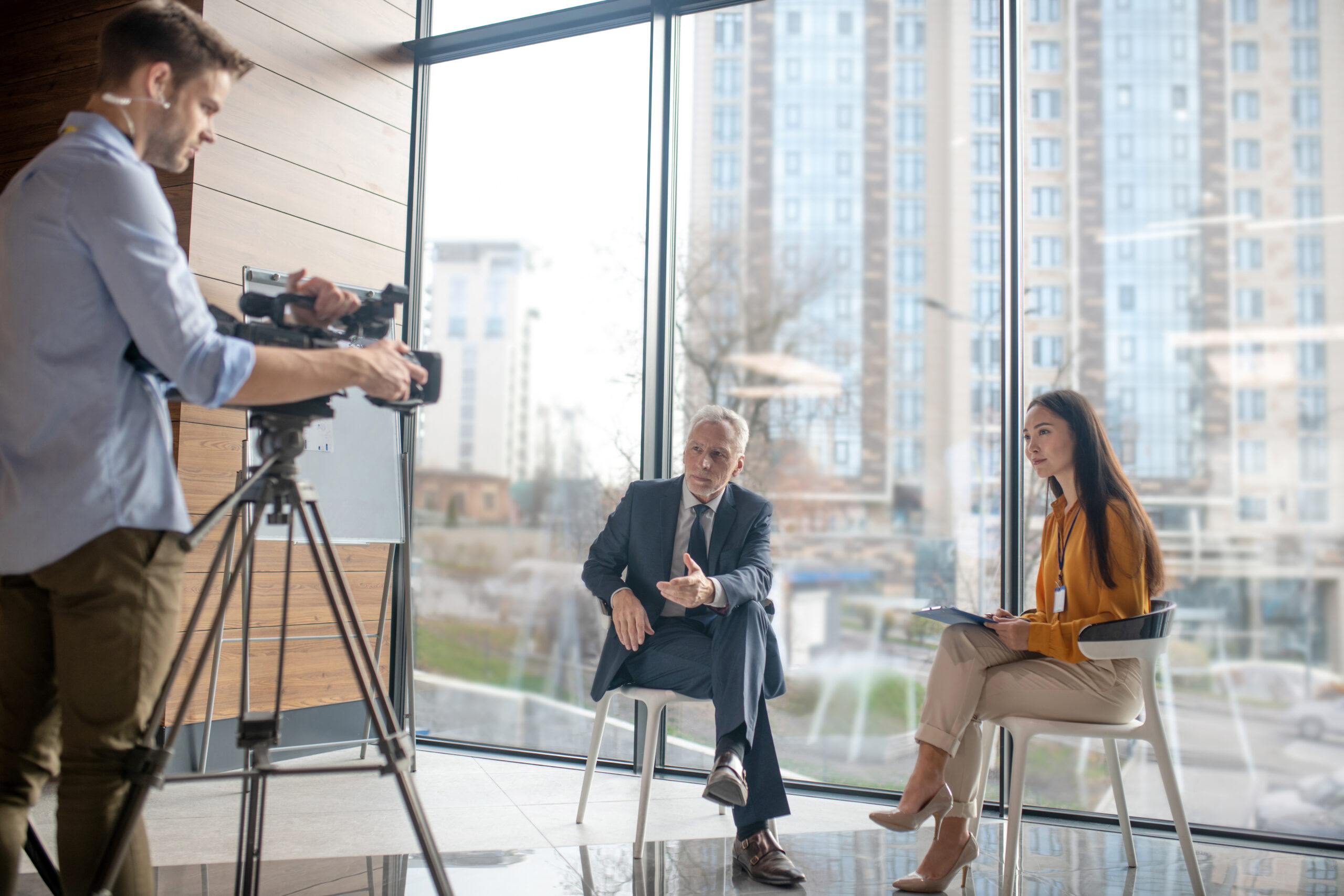
Media training is a specialized coaching process that teaches individuals how to communicate effectively with the media. It covers everything from understanding different types of interviews and delivering concise answers and managing body language to staying in control of the interview. The goal is to help you perform at your best under pressure.
Goals of Media Training
A solid media training program builds skills that go far beyond the interview. Look for media training sources that will help you meet these goals:
- Speaking with confidence and authority
- Proven techniques for staying in control of the interview – even in crisis scenarios
- Emphasizing key talking points without sounding rehearsed
- Giving clear, concise and consistent answers
- Using effective body language and eye contact
These abilities translate into stronger public speaking, improved leadership presence and better communication with stakeholders.
Adapting to Different Media Formats
Media interviews come in many forms, and each has its own demands:
- TV requires on-camera confidence and polished soundbites
- Radio and podcasts need engaging, longer-form storytelling and conversational tone
- Print demands clarity and precision in quotes
- Digital platforms often combine visual, audio and written content
Media training prepares you for all of these media formats by teaching you to tailor your delivery while remaining authentic and on message.
What Happens Without Media Training
Even confident communicators can stumble under pressure. Without preparation, you risk losing control of the conversation, missing the chance to emphasize your key messages or being quoted out of context. You may appear defensive, ramble off-topic or send the wrong signal through poor body language. The result? Missed opportunities and negative media coverage that can damage you or your company’s credibility.
The Building Blocks of Effective Media Training
Crafting and Emphasizing Your Key Messages
Before any interview, you must know what matters most. Work with your communications team to define your core talking points so that you understand how messaging aligns with your brand and helps connect with your audience. These points become your anchor, keeping you grounded during any conversation.
The next step is engaging an effective media trainer who can show you how to make the messages your own and turn them into memorable, media-ready soundbites: clear, compelling phrases that stick. Soundbites aren’t slogans. They’re well-crafted statements that help audiences retain your message and journalists quote you accurately.
Navigating Tough Questions
Tough or difficult questions are inevitable. Media training can teach you how to handle them with confidence. A key tool here is the bridging technique, where you acknowledge the question and pivot back to your message. It sounds like: “What’s important to remember is…” or “Let me offer some broader context…”
Learning how to stay calm and in control − especially when under pressure − is one of the most valuable outcomes of media training. When you stay focused, you retain credibility − even in high-stakes moments.
Delivering with Precision
The best responses are short, sharp and on point. Media training teaches you how to structure answers so they’re both concise and meaningful. You’ll learn how to:
- Lead with the main point
- Support it with a brief example or fact
- Wrap with a strong takeaway
Training also helps refine your delivery, including your eye contact, posture, hand gestures and overall presence. Nonverbal communication speaks volumes, and media trainers ensure that your body language reinforces your words − not distracts from them.
Public Speaking Under Pressure
A media interview is a form of public speaking, but without the comfort of a prepared speech. It demands performance, adaptability and composure. Media training helps you manage your voice, pace your responses and eliminate verbal crutches like “um” or “you know.” It gives you the tools to remain calm in high-stakes situations where every word counts.
Preparing for a Media Interview
Planning and Research
Strong interviews don’t begin at the mic; they begin in the prep room. Media training teaches you how to research the outlet, understand the journalist’s most likely angle and tailor your responses to the format and audience. It ensures your message resonates with journalist and audience alike.
Equally important is aligning your messaging with your brand’s values. Whether you’re representing a startup, a non-profit, or a Fortune 500 company, your words should reflect your mission and reinforce trust.
Practicing for Control
Practice is where skill becomes instinct. Media training typically includes simulated interviews, real-time coaching and feedback loops that help you internalize techniques. These mock scenarios help you:
- Anticipate challenging or leading questions
- Avoid common traps and mistakes
- Reinforce message discipline
The result? You can walk into an interview ready to share a point of view rather than a script.
Many of the most memorable interviews − whether crisis responses, product announcements, or viral brand moments − are the result of thoughtful preparation. Great interviews aren’t accidents. They’re practiced, planned and perfected. Media training puts that level of polish within reach.
The Strategic Business Case for Media Training
Media Coverage as Brand Leverage
When done well, media coverage is more than exposure − it’s brand equity. Every quote, clip and comment contributes to how your audience sees you. Media training ensures you maximize the moment and turn coverage into credibility.
Crisis Communication and Brand Protection
Your crisis communication skills can make or break your reputation. Effective media training prepares leaders to respond with clarity, empathy and authority. It equips them to manage the media without appearing evasive or emotional, preserving stakeholder trust and public confidence.
Internal Alignment
Media training fosters alignment between departments. It helps ensure that leaders, marketers and communicators are speaking the same language and reinforcing consistent messaging. This creates a more unified brand voice, both externally and internally.
Building Trust Through Confident Communication
Confidence is contagious. When your representatives speak with poise, conviction and emotional intelligence, audiences respond. Stakeholders feel reassured. Teams feel led. Media training doesn’t just improve communication; it builds trust through strong delivery and message control.
Choosing the Right Media Training Partner
What to Look For
The right media training provider will offer real-world experience, deep media knowledge and practical coaching. When researching media training partners, look for:
- Trainers with journalism or PR backgrounds
- Custom coaching tailored to your role or industry
- Realistic practice scenarios
- Personalized feedback and measurable outcomes
Customization vs. One-Size-Fits-All
One-size-fits-all training won’t prepare you for real interviews. You need customized instruction that reflects your industry, audience and communication goals. The most effective programs consider your current media strategy and future opportunities.
The 4media group Advantage
At 4media group, media training is both a science and an art. Our team combines strategic insight with communication expertise, helping professionals craft soundbites, manage interviews and lead with presence. From simulated interviews to message refinement, 4media group helps you transform pressure into performance.
Conclusion: Be Ready When It Counts
Why Media Training Matters Now
Media training is no longer a luxury. It’s a necessity in a world where perception shapes opportunity. From daily interactions to high-profile interviews, every word matters. Training ensures you’re not just reacting − you’re leading the conversation.
Long-Term Benefits of Media Readiness
Media training develops lasting skills that benefit leaders and organizations well beyond the interview. It improves internal communication, sharpens external messaging and elevates the confidence of every spokesperson in your company.
Take the Next Step with 4media group
Don’t wait until you’re in the spotlight to realize you’re unprepared. Let 4media group help you build the skills, confidence and poise needed to turn any media moment into a strategic advantage. Remember: in today’s fast-paced media landscape, being media-ready is not optional − it’s essential.